News
Analysis
Publié le : 10/02/2026
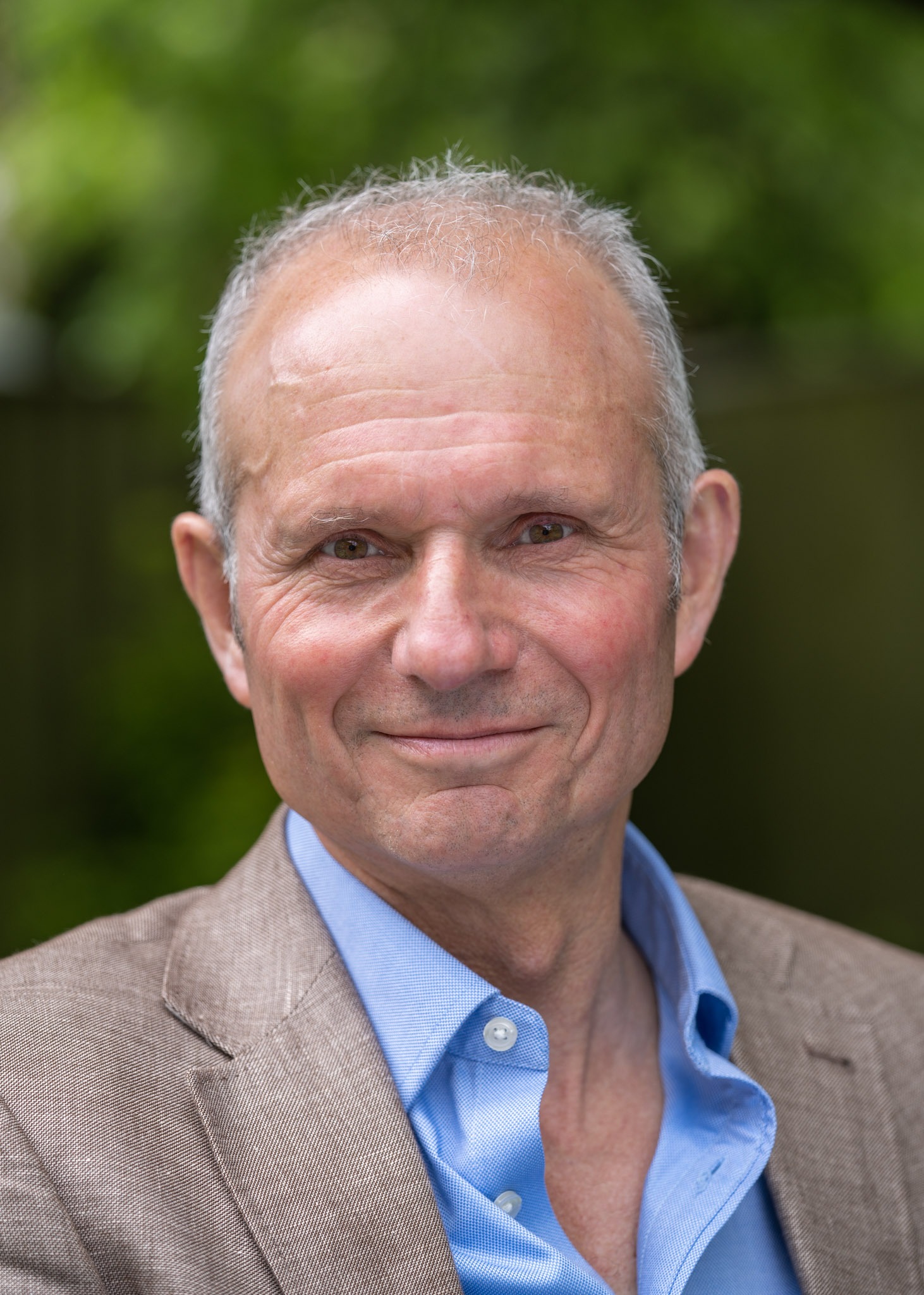
A conversation with Sir David Lidington
Sir David Lidington, former UK Cabinet Minister and a central figure in British politics during the pivotal years of Brexit, shares with the MGH Partners Newsroom his perspective on today’s major geopolitical realignments. From the future of UK–EU relations and the strains within the transatlantic alliance to the rise of authoritarian powers and the vulnerabilities of Western democracies, he offers a clear-eyed and strategic reading of a world entering a new era of instability, and argues for a stronger, more coordinated European response grounded in responsibility, cooperation and democratic values.
Having played a central role in the UK government during a decisive period in its relationship with the European Union, how do you assess the current state of UK–EU relations? In an era marked by renewed power politics and global instability, what form of strategic partnership between the UK and the EU do you believe is both realistic and necessary to safeguard shared interests and values?
The Windsor Framework agreed between the EU and Rishi Sunak’s Conservative government drew a line under the quarrels and tensions of the Johnson years, and Keir Starmer’s Labour government has continued and sought to deepen the rapprochement between London and Brussels. A number of factors have contributed to this shift in attitudes. The chief protagonists in the battles of previous years -Johnson, Juncker, Merkel, Barnier – have moved on. British opinion has changed, with about 60% of voters now saying that they think Brexit has been a failure. Above all, Putin’s all-out invasion of Ukraine and the unreliability of the United States as an ally have delivered a sharp reminder to European leaders (whether in or out of the EU) that there are more important matters at stake than the rules governing sandwich fillings in Northern Ireland.
We now see the leaders of the big European countries (particularly France, Britain and Germany), together with the EU Commission President and the NATO Secretary General, working closely together to coordinate diplomatic, military and political support for Ukraine, and to manage Europe’s relationship with a mercurial American president. Whether you call it “E3 plus” or “Weimar plus”, what in practice we are seeing is the emergence of a 21st Century “Concert of Europe” – an idea with which politicians of the nineteenth century would have been familiar. I think that this is wholly welcome, but it is only a start. If, as I believe, we are now seeing the end of an eighty year period during which the European democracies could count on the United States to see our continent’s security as central to American national interests, the ability and willingness of European nations to act together needs to be further strengthened.
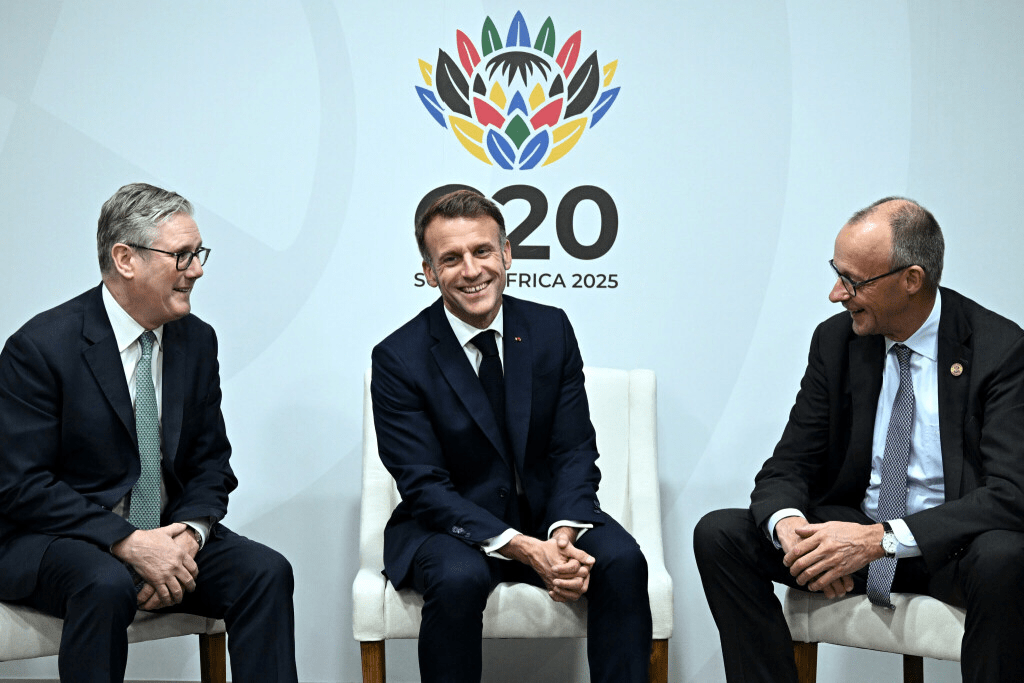
The transatlantic alliance is facing unprecedented internal tensions, particularly in light of President Trump’s demands regarding burden-sharing and strategic alignment. These tensions have recently crystallised around Greenland, where the deployment of European forces and the United Kingdom’s explicit statement that it would stand by Denmark in the event of pressure from the United States marks a highly unusual moment in NATO’s history. How do you interpret this development? What does it reveal about the evolving balance within the Alliance, and about Europe’s growing willingness to assert its strategic interests, even vis-à-vis its closest ally? More broadly, does this situation raise deeper questions about the coordination, and potential friction, between allied military and intelligence services in an era of renewed great-power competition?
Trump’s threat to annex Greenland shocked European leaders to the core. Such an action would render meaningless not just Article 5 of the NATO treaty, but the whole idea of an Atlantic Alliance. But if Europe is honest, the warnings have been coming from successive US administrations for 20 years, ever since Robert Gates, Defence Secretary to President George W Bush, told European governments that they could not indefinitely rely on American taxpayers to pay the lion’s share of the costs of European defence and security. Even if Trump is followed by a President who places a value on having allies, American voters will still expect their interests to come first, and US policymakers will focus on what they see as China’s challenge to US geopolitical and economic dominance. That shift in American priorities will continue despite the continuation of deep military to military relationships and intelligence-sharing arrangements.
So Europe needs not just to spend more, but build a capability to act as a European pillar of the alliance, without the United States if need be. Accepting our own responsibilities will also be the step most likely to keep the US involved in European defence. I believe we need a new European security treaty, linked to NATO, to provide a legal and institutional framework within which coalitions of the willing can operate, using NATO and EU capabilities as appropriate to the mission. Participation should be open to all European democracies and the EU, as well as its Member States, should be a party to the treaty. While I have sat in enough EU Foreign Affairs Council meetings to know, that is not the place to go for a confidential discussion or swift decision about defence and security, we need to recognise that the European Union, through its military spending, its responsibilities for trade restrictions and sanctions and the impact of the Single Market on defence industry, is now a more significant player in security policy than was the case in the past.
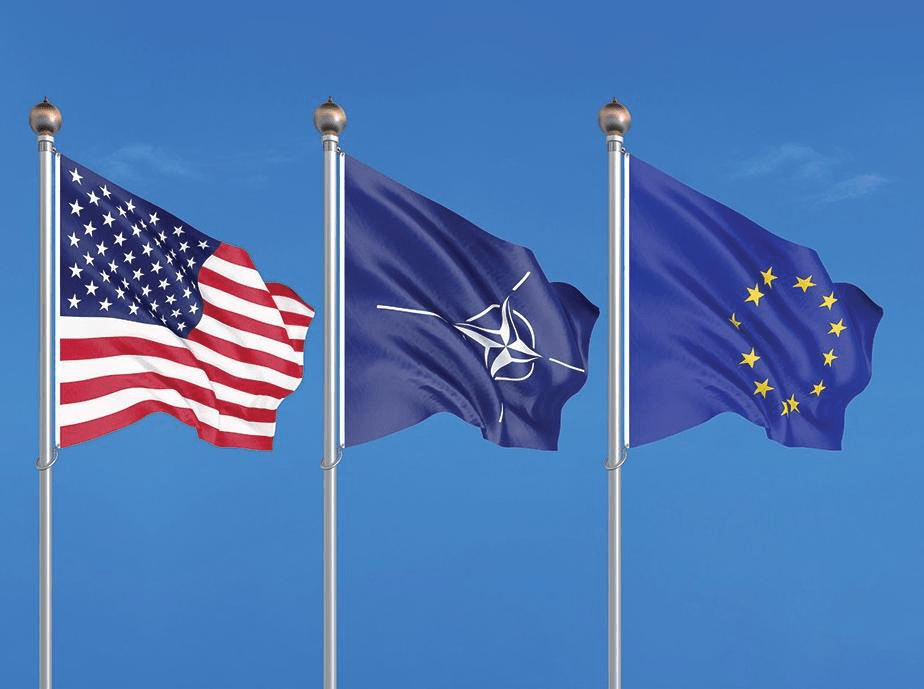
We are witnessing a growing convergence between China, Russia, Iran and North Korea, often described as a loose but increasingly coordinated axis. In your view, how should Western democracies interpret this alignment, and to what extent does it represent a structural challenge to the international order established after the Cold War?
The so-called Axis of Autocracy is a loveless alliance. Russia’s leaders loathe their dependence on China. Official Chinese documents refer to Vladivostok and other parts of North-East Russia by their old Chinese names, from when those territories were under Chinese rule. Neither Russia nor China nor North Korea would permit the Islamist ideology of the Iranian regime to have even a toehold in their own countries. The common interest that all four autocracies have is regime survival and the weakening of the West. Our answer should be to do all we can to strengthen the defence and the influence of the democratic world. A priority should be to deepen alliances with democratic powers like Japan, Canada, Australia and South Korea.
It will also mean accepting that we are now living in a multi-polar world where many more countries choose not to be counted as members of a particular bloc, but have their own interests which they will seek to promote. Nations as diverse as Turkey, Kazakhstan, Brazil, Chile, Saudi Arabia, Egypt, Malaysia, Indonesia, Vietnam, South Africa and Nigeria are increasingly assertive about their own priorities and interests. We in Europe can negotiate agreements with these nations that work to our benefit, but will also need to offer something that these countries will see as in their interest too.
Beyond traditional military threats, democracies now face hybrid challenges ranging from disinformation and foreign interference to economic coercion and technological dependency. From your perspective, what are today the most serious vulnerabilities affecting Western democracies, and how can they be addressed without undermining democratic principles themselves?
I would single out two threats as high priorities. First, Europe’s democracies need to act strategically to limit our dependence on technology and critical materials from potential adversaries and unreliable allies. Global investment into all the key technologies of the 21st century – AI, quantum, synthetic biology, zero carbon, autonomous vehicles, robotics – is going primarily into the United States and China. Both the UK and the EU should be doing far more to tear down the barriers and disincentives to investment in Europe. Our energy should be directed less into fretting about what China is doing (China’s leaders will, unsurprisingly, pursue Chinese interests) and much more to what we can and should do ourselves. And of course a policy that attracted new investment, skills and jobs would also help to address the discontent about low growth and squeezed living standards which have caused so many people in the democratic world to feel abandoned by their political leaders and institutions.
Second, while digital communications have brought enormous new freedoms and opportunities to people in all walks of life in our countries, those technologies have also been exploited by terrorists, criminals, political extremists and hostile states. We should treat the integrity of elections as critical national infrastructure and should hold the tech companies accountable for the content they publish. The platforms seem to be able to act speedily against alleged breaches of commercial copyright and trademarks; I see no persuasive reason why they, like a newspaper or magazine editor, should not be held accountable for criminal and extremist content.
At a time when international institutions are under strain and geopolitical uncertainty has become the norm, what lessons from your experience would you highlight for current leaders? Where do you see grounds for cautious optimism regarding the future of democratic governance and international cooperation?
The most precious commodity for any political leader is time. Time to reflect and think is shunted aside by the needs of the moment. Yet it is more vital than ever for democratic leaders to carve out time to plan and act strategically and to consult and coordinate with each other.
Where I see cause for optimism is in how Europe’s leaders have responded to Russia’s aggression in Ukraine. Of course more could and should be done, but European countries have provided intelligence, arms and economic support to Kyiv. And the way in which the key European leaders have developed a habit of consulting and acting together is very welcome. One must hope that that continues whatever the outcome of future national elections.
Above all, I find hope in observing how people all round the world still prefer freedom and democracy to the alternative. We have seen it in the heroic defence of their country by Ukrainians who reject what Putin offers or seeks to impose upon them. And while it is true that the large-scale movement of people has caused real political and social strains in many Western countries, it is striking that people from Africa, Asia and Latin America are trying to get into Europe or the United States, not into Russia or China.
On 11 November 1947, twenty-ninth anniversary of the end of the First World War, Winston Churchill told the House of Commons:
Many forms of Government have been tried, and will be tried in this world of sin and woe. No one pretends that democracy is perfect or all-wise. Indeed it has been said that democracy is the worst form of Government except for all those other forms that have been tried from time to time.…
We should continue to take heart from Churchill’s words and the evidence in today’s world that what he said then still remains true.